
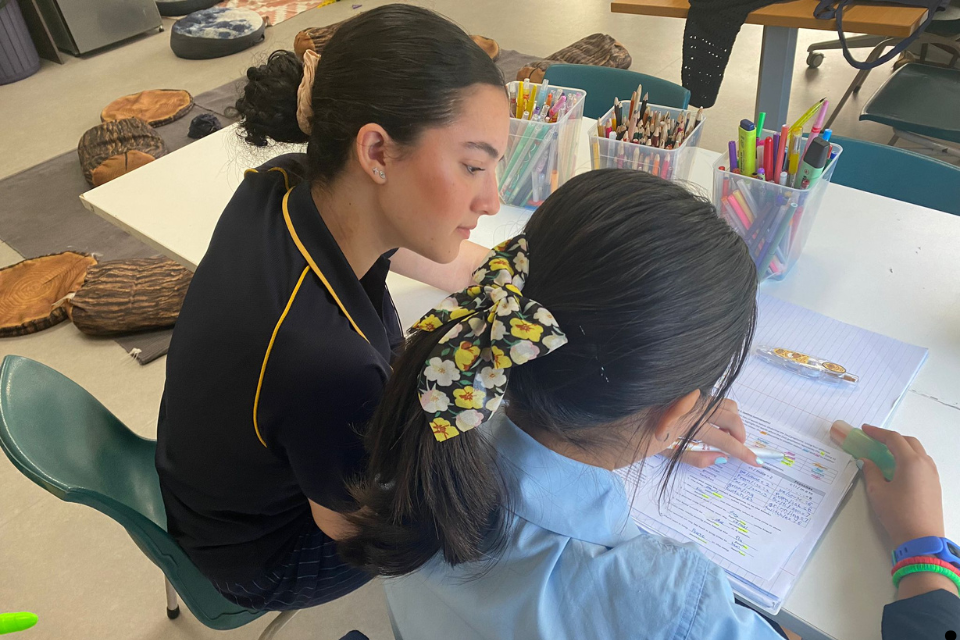
If you’ve ever limped into Term 4 clutching a coffee and a crumpled note about a costume day you definitely did not remember… you’re in good company. For many primary school families, Term 4 feels like a marathon tacked onto the end of a triathlon. Kids are tired, calendars are wild, the sun is out in full force, and suddenly none of last summer’s uniforms fit (more on that heartbreak in a minute). This Head Start guide unpacks why Term 4 is uniquely tough for primary kids—and what families can do to finish the school year feeling supported, seen, and only moderately sticky from sunscreen.
Why Term 4 feels bigger than Ben Hur
1. It’s the longest sprint of the year
By Term 4, students have spent months building knowledge, habits, and stamina. Cognitive load is real: even confident learners can find focus harder, and many schools are wrapping up assessments, reports, and performances all at once. By October, the novelty of fresh books and new routines has worn off—leaving kids running on persistence rather than excitement.
2. The calendar chaos is… a lot
Sports carnivals, concerts, excursions, transition days, class parties—Term 4 loads family schedules. That’s fun, but also fatiguing. When evenings fill with rehearsals and sign-this-by-tomorrow forms, there’s less downtime for brains and bodies to reset. (Parents, consider this your official permission slip to say “no” sometimes.)
3. Big feelings about big change
Even positive change—new teachers, new classrooms, or a move to high school—can spike worry. Kids commonly carry mixed emotions: pride, anticipation, and the “uh-oh” of not knowing what’s next. The best antidote is reassurance, connection, and reminding them that everyone feels this way at the end of the year.
4. Heat, hydration, and UV
Welcome to late-spring and early-summer: hotter days, higher UV, and more outdoor time. Heat and sun exposure can drain energy and concentration. Staying hydrated, resting in the shade, and applying sunscreen regularly helps kids maintain focus and avoid that “melty” after-school slump.

The Great Term 4 Uniform Mystery: Why nothing fits anymore
You blinked, and those size 8 shorts became size “nope.” Growth spurts love to show up between Term 1 and Term 4. Warmer weather returns, winter layers come off, and suddenly hems that grazed knees in March are petitioning to become shorts. It’s not your imagination—late-year growth plus summer uniforms equals a wardrobe reshuffle.
A few sanity-saving tips:
- Buy “room to grow” (strategically). If you’re replacing polos or shorts in October or November, consider one size up so they’ll still fit by Term 1 next year.
- Hem hacks. Ask your uniform shop about let-down hems or adjustable waistbands on shorts.
- Second-hand treasure hunt. Many schools have uniform swaps—good for budgets and the planet.
- Sun-smart matters. Prioritise broad-brim hats and UPF-rated fabrics where possible, and remember sunscreen belongs on all exposed skin—especially elbows, hands, and the back of the neck.
(And if you’re currently mourning a barely-worn summer dress that lasted exactly two assemblies—light a candle, take a photo, and pass it on to the second-hand rack. You did your best.)
What helps: Practical supports for Term 4
1. Guard sleep like it’s gold
Sleep is the #1 performance enhancer for kids. Children aged 5–12 generally need 9–11 hours of sleep each night. Protect those routines: regular bedtimes, screens off before sleep, and calm wind-down rituals help brains consolidate learning and regulate emotions.
Quick wins: Move homework earlier on hot days, swap screens for reading or audiobooks before bed, and on late-event nights, shorten the routine but keep the order (bath → book → bed).
2. Keep water (and a spare hat) everywhere
Hydration dips fast in heat. Pop a frozen half-full drink bottle in the freezer overnight and top up in the morning. Stick a backup hat in the school bag—future-you will be thrilled when the main one goes missing at lunchtime.
3. Lighten the load (literally)
Hot days + heavy bags = wilted kids. Do a weekly bag audit to evict mystery artefacts (looking at you, Term 2 banana). If your school allows, leave some items in the classroom or keep spares in a locker.
4. Keep expectations realistic—and celebrate effort
Term 4 is about finishing well, not perfectly. Notice small wins: getting to school on time during a heatwave, trying hard at athletics, being kind to a classmate. Confidence grows when kids see that effort counts, not just outcomes.
5. Stick with attendance (while caring for wellbeing)
Routine attendance supports learning and social connection; it also keeps kids in the rhythm when motivation dips. If your child is struggling, talk to your teacher early—schools partner with families to support attendance and address barriers.
6. Plan the week like a sports coach
Think in energy, not just time. High-energy slots (cool mornings) are great for literacy, music practice, or tricky homework. Low-energy slots (after hot days) suit reading, quiet play, drawing, or audiobooks. And don’t forget the non-negotiables—sleep, hydration, sunscreen, movement.
7. Use transition tools
If your child is moving to a new stage or school, help make change feel manageable. Talk positively about what’s ahead, keep routines predictable, and remind them they’ll have new teachers and friends to guide them. Opportunities to visit new campuses or meet teachers usually happen through open days or orientation sessions—so if your child is invited, attend together and use the visit as a chance to explore, ask questions, and build confidence.
8. Keep humour handy
When the third end-of-year event lands on the same Thursday and someone forgot the gold coin, humour is glue. Kids borrow our calm—and our chuckles. A wry “Term 4 strikes again!” releases pressure and signals you’re on the same team.

A Head Start Term 4 checklist for families
- Sleep: Aim for 9–11 hours; keep the wind-down routine predictable.
- Hydration & heat: Chill bottles; plan shade; know heat-wave basics.
- Sun safety: Hat + SPF30+ broad-spectrum; reapply; seek shade.
- Uniform sanity: Size up if replacing; investigate second-hand; check hems.
- Attendance: Stay connected with school if fatigue or anxiety lingers.
- Expectations: Focus on effort; celebrate small wins; ask for help early.
When to seek extra support
If your child’s stress, sleep problems, or school reluctance persist for more than a couple of weeks—or start impacting daily life—reach out. Your GP, school counsellor, or a trusted wellbeing service can help you map next steps. Kids and parents aren’t meant to navigate the end-of-year juggle alone.
Final word from Team Head Start
Term 4 is a lot. But with realistic rhythms, sun-smart habits, and a few giggles when the uniform shorts stage a mutiny, families can cross the finish line feeling capable and connected. Your child doesn’t need a perfect end to the year—just a supported one. You’ve got this. (And yes, you should absolutely label the new hat and the spare one.)
References & Further Reading
Kids Helpline – Coping with Stress and Burnout
Department of Education – Term Dates & School Calendars
Raising Children Network – School-age Sleep Guidelines
Cancer Council – SunSmart in Schools
Health Direct – Heat & Hydration for Children
Beyond Blue – Parenting & Mental Health Resources